







Search Results for: franchise adjustments
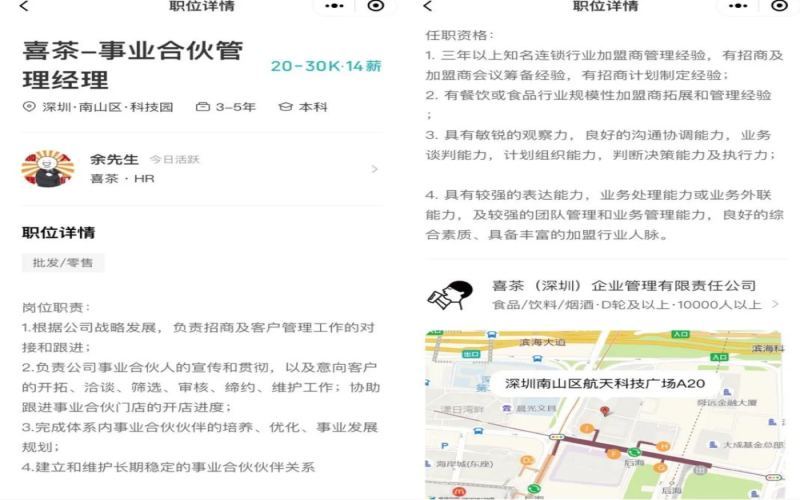
Heytea officially opens business partner franchising: investment within 500,000 yuan, focusing on small stores of about 50 square meters—can it leverage this to break through into lower-tier markets?
Following the closure of the last store of its sub-brand Xixiaocha, Heytea confirmed on November 3 that it will open franchising, with partnership fees kept under 500,000 yuan and franchise store formats primarily under 50 square meters. Heytea stated it will leverage a decade of accumulated experience and resources to develop its partnership business in non-first-tier cities with suitable store formats, providing partners with comprehensive support in branding, products, quality control, food safety, operations, training, and supply chain. In recent years, Heytea has accelerated its expansion into lower-tier markets, successively adjusting prices, launching IP collaborations, and shutting down its budget sub-brand. Opening franchising is now seen as a key step to further capture market share in third- and fourth-tier cities. Whether the new tea beverage sector will face a new round of involution, and whether direct-operated brand Nayuki will follow suit, remains worth watching. [more…]

Which brand is reliable when joining a coffee shop franchise? How much does the initial investment actually cost?
In the past year or two, the popularity of coffee entrepreneurship has continued to rise, and many office workers have begun to entertain the idea of opening a shop and becoming their own boss. A coffee shop that seems to have low barriers to entry, requires little investment, and has an artistic atmosphere has become the ideal project in many people's minds. But when they actually start, they discover that they have no idea where to begin, from site selection to promotion, so franchise chains have become a popular option. Advertisements promising "zero threshold" and "easy to be your own boss" are everywhere, but is the reality really that rosy? This article sorts out the main models of coffee franchising today, helps you calculate the upfront investment clearly, and gives the key points to note when choosing a franchise brand, in the hope of offering some reference for those who are still hesitating. [more…]
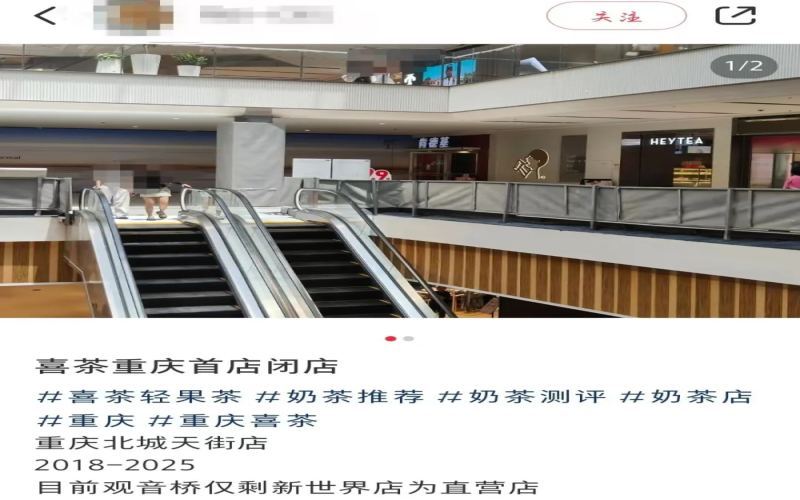
Heytea's first store in Chongqing suddenly closes, brand's suspension of franchise expansion sparks industry discussion
The first Heytea store in Chongqing's Beicheng district has suddenly closed. This store, which had been highly popular since opening in 2018, was once regarded as a landmark presence for the brand in the Chongqing market. The closure surprised many loyal customers, and Heytea's subsequent internal email announcing the suspension of business partnership applications caused even more waves in the tea beverage industry. From the end of its first Chongqing store to the successive closures or suspensions of stores in Zibo, Xuecheng, Binhu and other places, and then to the company's proactive halt of franchise expansion, Heytea's series of moves have sparked widespread discussion about brand strategy adjustment, store quality control, and the competitive landscape of the industry. [more…]
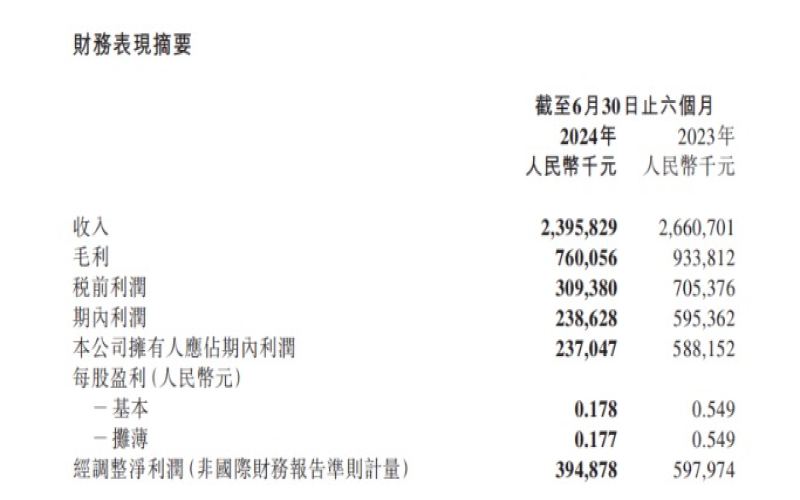
Tea Baidao's first semi-annual report after listing is out: net profit fell nearly 60% year-on-year, with franchise support and supply chain weaknesses in the spotlight.
The first half-year report delivered by ChaPanda after its listing in Hong Kong shows that both revenue and net profit declined in the first half of 2024, with net profit falling by nearly 60% year-on-year. The company attributes this to increased support for franchisees and greater market investment. At the same time, the number of stores continues to grow, but its market value has shrunk significantly, and its reliance on external suppliers for its supply chain is also seen as a key weakness. This article will sort through the core data in the financial report, the adjustments to franchise policy and their knock-on effects, and compare the competitive landscape of the industry, to help coffee and tea beverage enthusiasts understand the challenges this brand currently faces. [more…]
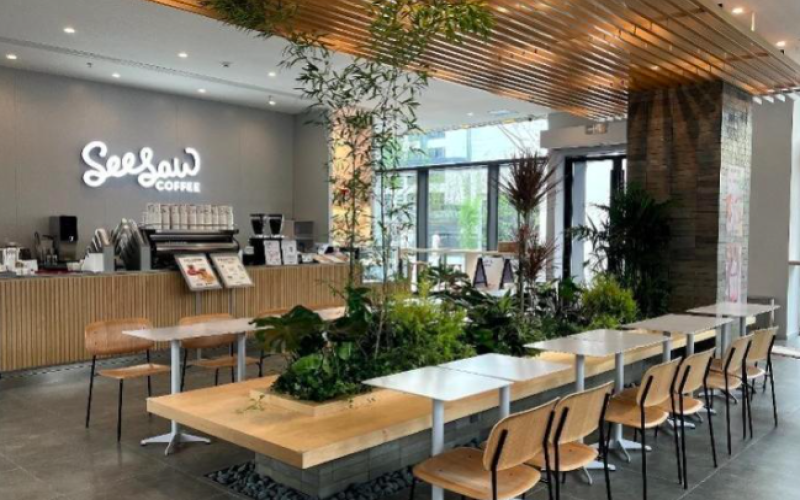
Seesaw's 12th Anniversary Opens Franchise Cooperation: Can Specialty Coffee Brands Break Through and Expand via Franchising?
Once regarded as one of the representatives of domestic specialty coffee, Seesaw, after experiencing a wave of store closures in multiple locations at the end of last year, officially announced the opening of cooperative franchising on its twelfth anniversary. This move has sparked much speculation about its financial condition and brand prospects. Currently, competition in the coffee sector is intensifying, with similar brands such as Manner and M Stand far exceeding Seesaw in store scale, while giants like Starbucks and Luckin are also continuously ramping up their efforts. Facing fewer than a hundred operating stores, Seesaw has chosen to seek a market breakthrough through franchising. Whether it can use this to stabilize its position and expand its customer base still needs to be tested by time. This article will review Seesaw's recent developments and the industry background for coffee enthusiasts' reference. [more…]

HEYTEA's opening of franchising draws attention: Yidiandian franchisees show interest in switching, but can the high-threshold review deliver as hoped?
The new tea beverage market landscape is constantly evolving. Even HEYTEA, which insisted on direct operation for ten years, has announced it will open franchising, targeting lower-tier markets. This strategy has attracted the attention of many franchisees, and some former Yidiandian franchisees are even planning to abandon their old stores to switch to HEYTEA. However, HEYTEA's partner selection criteria are quite strict—not only are the fees not low, but applicants are also required to commit full-time, provide proof of assets, and have management experience. Whether switching is wise remains unknown. This article compiles relevant reports and data, and includes a Front Street Coffee information entry for readers' reference. [more…]
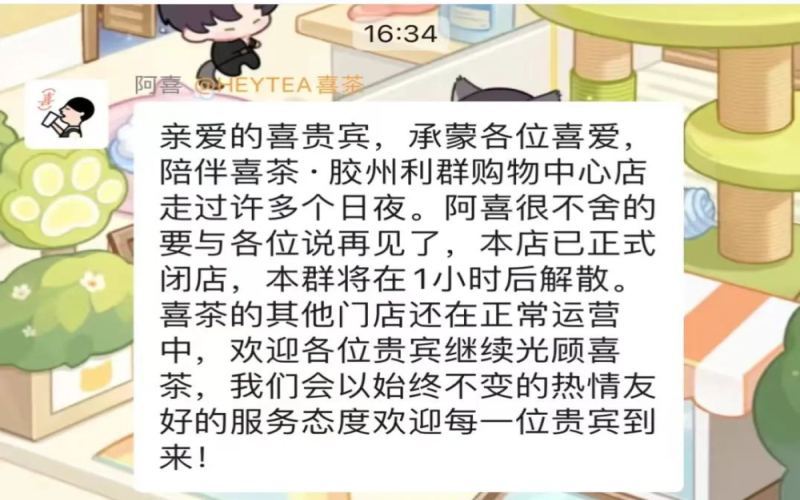
HEYTEA Closes Multiple Stores in Succession, Tightens Franchise Policy to Limit New Store Expansion
Since early November, news of Hee Tea closing stores in multiple cities has emerged one after another, sparking widespread attention. Some netizens reported that stores they frequented suddenly ceased operations—not for renovation and upgrades, but for permanent closure. According to statistics, stores closed in November include the Ganzhou Market store in Zhangye, Gansu; the Lanzhou Guofang Department Store store; and the Zhejiang University Zijingang Campus store, among other locations. Among them were both established stores that had operated for a decade and new stores that had been open for less than six months. This phenomenon is believed to be related to an internal letter Hee Tea released in September, which stated that the company would no longer pursue short-term store-opening speed and would instead focus on store quality and operational excellence. At the same time, a blogger claiming to be a city partner revealed that Hee Tea's franchise policy is being adjusted, with applications becoming more difficult, store-building costs increasing, and even a trend of "restricting new store openings and encouraging closures." [more…]
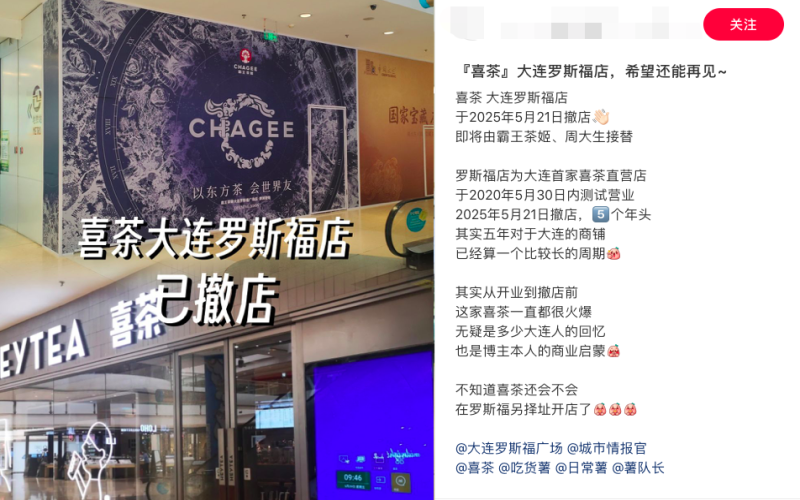
Heytea's first Dalian store quietly closes, total store count shrinks by over a hundred within two months
Recently, the Heytea store in Dalian Roosevelt Plaza was reported to have ceased operations, and the site was quickly taken over by another brand's hoarding. This store, which opened in May 2020 and once sparked queuing frenzies, was Dalian's first directly operated store, and its sudden withdrawal surprised many consumers. According to GeoHey brand monitoring data, although Heytea opened new stores in the past 90 days, it also closed 161 stores, with the total number in operation dropping from 4,410 to 4,265, equivalent to about 2 stores disappearing every day. The closures were not limited to franchise stores; some directly operated stores that had been in business for years also exited due to factors such as rent and contracts. The impact of this round of adjustment on the brand's future remains to be seen. [more…]
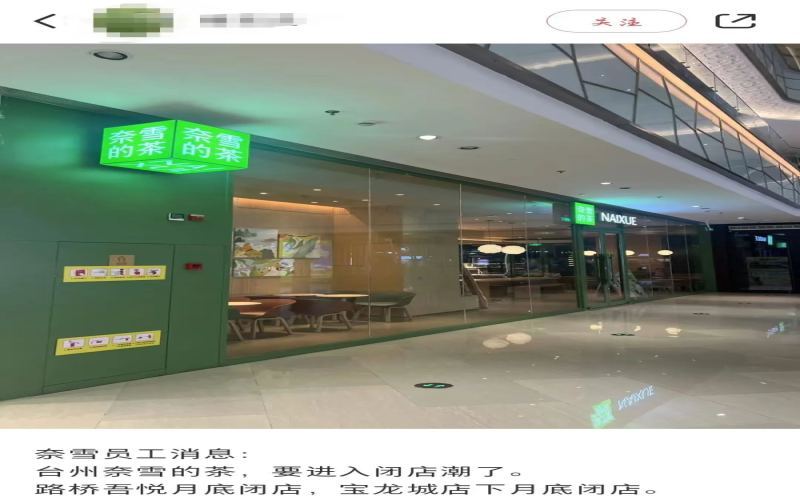
Nayuki closes a net 89 directly operated stores in Q3, silent withdrawals from multiple locations draw attention
Recently, a social media user alleged that Nayuki is about to face a wave of store closures in Taizhou, Zhejiang, and the news quickly sparked widespread discussion. According to Nayuki's official Q3 2024 operational report, the brand closed a total of 89 directly operated stores during the quarter. Although it opened 23 new directly operated stores and 56 franchise stores in the same period, its overall store count still shrank by 10. Compared with Heytea, which has already reached 4,417 stores, Nayuki's pace of expansion has clearly slowed. The company said it will adopt a more prudent store expansion strategy and optimize the performance of existing directly operated stores, but many consumers have reported issues such as declining product quality control and baked bread being switched from freshly baked to pre-made products, raising concerns about the brand's prospects. This article will examine Nayuki's current operational challenges from two dimensions: data and consumer feedback. [more…]

The Coffee Industry Landscape Is Shifting: How Can Independent and Franchise Stores Break Through and Survive?
The coffee market is undergoing a new round of reshuffling. The number of coffee shops nationwide has approached 200,000, yet the survival cycle of newly opened stores is worrying. A large number of entrepreneurs are pouring into the coffee sector, including both independent coffee shops and franchise stores of chain brands. However, price wars and homogenized competition have caused many stores to bow out quietly within just two or three months. Under the squeeze of giants' low-price strategies, how can independent cafes balance price and distinctiveness? How should franchisees avoid pitfalls? This article provides an in-depth analysis of the reasons behind the wave of coffee shop closures, and, drawing on brand cases such as Front Street Coffee, explores ways to break through. [more…]

Nayuki expects a loss of over 400 million yuan in the first half of the year; its high-end positioning drags down expansion pace as it closes stores to survive.
Nayuki recently issued a profit warning, expecting revenue of approximately 2.4 to 2.7 billion yuan in the first half of 2024, with an adjusted net loss of approximately 420 to 490 million yuan. Facing weak consumer demand and limited room for cost optimization, this tea beverage brand once known for its high-end image is planning to close underperforming stores to cut losses and survive. It is worth noting that Nayuki's performance slowdown stems not only from the market environment but is also closely related to its own business strategy—store expansion has lagged severely, its high-end positioning has constrained its push into lower-tier markets, and price cuts have led to declining quality and loss of fans. This article will delve into the challenges Nayuki currently faces and whether it can reverse its brand crisis through measures such as overseas expansion. [more…]
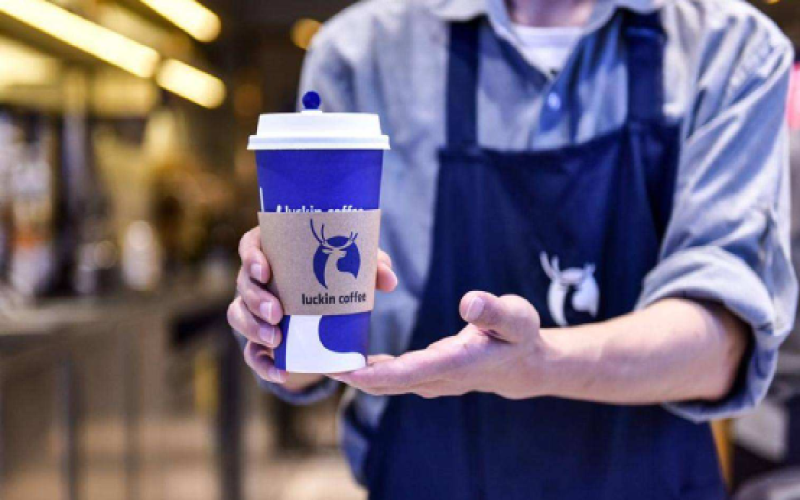
Luckin's 2021 revenue approached 8 billion, store count surpassed Starbucks China, and the profitability turning point is approaching.
Luckin Coffee's total net revenue for the 2021 fiscal year reached 7.965 billion yuan, a year-on-year surge of 97.5%, with fourth-quarter revenue of 2.4327 billion yuan, an increase of 80.7%. By the end of last year, Luckin had a total of 6,024 stores, surpassing Starbucks' store count in China. Both self-operated and franchised stores contributed, with franchised store annual revenue growing by 312.5%, and lower-tier markets making a significant contribution. Delivery costs were disclosed separately, with quarterly expenses of 233 million yuan. Non-GAAP operating loss narrowed to 23.6 million yuan, with profitability close at hand. After completing the interim liquidation, Luckin expects costs related to fraudulent transactions to significantly decrease in the second quarter of 2022. There is continued external interest in its return to the Nasdaq main board. [more…]
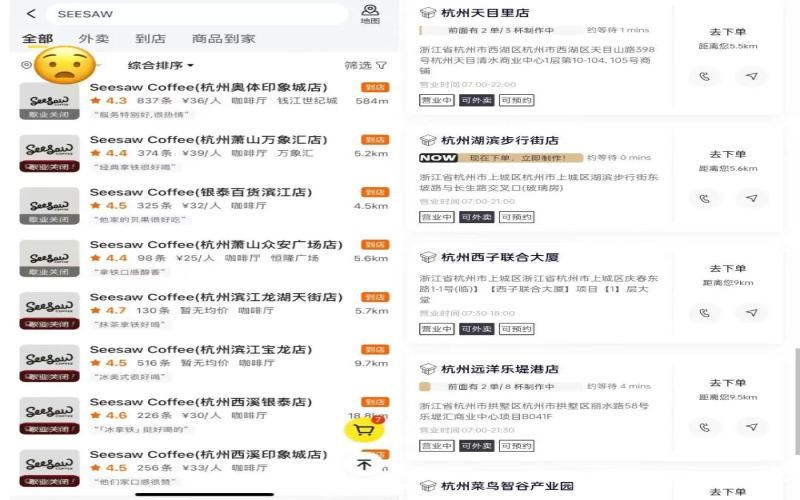
Within six months, the number of stores has shrunk by fifty, as the specialty coffee brand Seesaw once again shuts down on a large scale.
Seesaw Coffee, once regarded as one of the representatives of domestic specialty coffee, has seen a sharp shrinkage in its number of stores within just half a year. From the end of last year to June this year, a total of 50 stores across the country quietly disappeared, with store closures reported one after another in places such as Hangzhou and Suzhou, drawing attention from consumers and the industry. At the same time, Seesaw has not stopped expanding, but instead has turned its sights to smaller cities with relatively less intense competition, such as Guiyang and Luoyang, attempting to find a new way out through a franchise model. Against the backdrop of an increasingly fierce price war in the coffee market, the adjustments and struggles of this specialty coffee brand reflect the survival pressure facing the entire industry. [more…]

Starbucks China Equity Sale Enters Final Stage: Carlyle and Boyu Lead, Valuation May Exceed $10 Billion
A key moment has arrived in the sale of Starbucks' China business. According to the Financial Times, Carlyle Investment Group and Boyu Capital have become the preferred bidders to acquire a majority stake in Starbucks' China operations, with the deal valued at possibly close to US$4 billion. If retained equity and franchising revenue are included, the total value could exceed US$10 billion. Starbucks' final retained share has also been adjusted from the previously rumored 30% to as much as 49%, meaning that even with the introduction of outside capital, Starbucks will most likely remain the largest shareholder in its China business. Currently, five bidders have submitted binding offers, and a final decision is expected by the end of the month. This equity change, which has lasted nearly a year, will profoundly affect the landscape of China's coffee market. [more…]
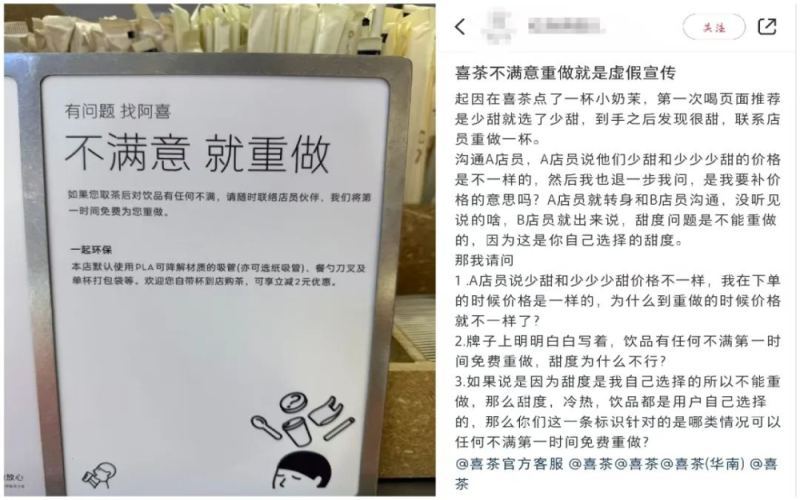
Heytea's "Remake If Not Satisfied" Promise Questioned: Multiple Customers Report Being Refused Remakes Over Sweetness Issues
Heytea's publicly posted "remake if unsatisfied" service commitment has recently sparked a string of consumer doubts. Some customers report being refused by staff when asking for a remake because a drink was sweeter than expected, with customer service responding that drinks must be "made to the original standard." Similar cases have also occurred in Shandong. Some long-time customers point out that there are differences in how the standard is applied between directly operated stores and franchise stores. Consumers generally believe that if a brand makes a public commitment, it should not attach hidden conditions. This article reviews the course of events and the views of all parties, and compares the practices of peers such as Starbucks and Chagee to explore how "remake if unsatisfied" should actually be implemented. [more…]

Weiwei Soy Milk Teams Up with the Summer Palace to Enter the Milk Tea Market; Whether Its 10,000-Store Goal Can Be Achieved Remains to Be Tested by the Market
The once-national soy milk brand Weiwei Soy Milk has announced a co-branded flagship store for handmade drinks with the Summer Palace, and plans to expand to tens of thousands of stores nationwide in the future. This cross-industry move has attracted widespread attention at a time when competition in the tea beverage market is white-hot. Can Weiwei Soy Milk break through with the halo of childhood memories and guochao design, or will it repeat the mistakes of Wahaha's milk tea? This article analyzes store design, brand history, market environment, product series, and other aspects, and also focuses on its franchise strategy and future layout, providing a calm observation for coffee and beverage enthusiasts. [more…]
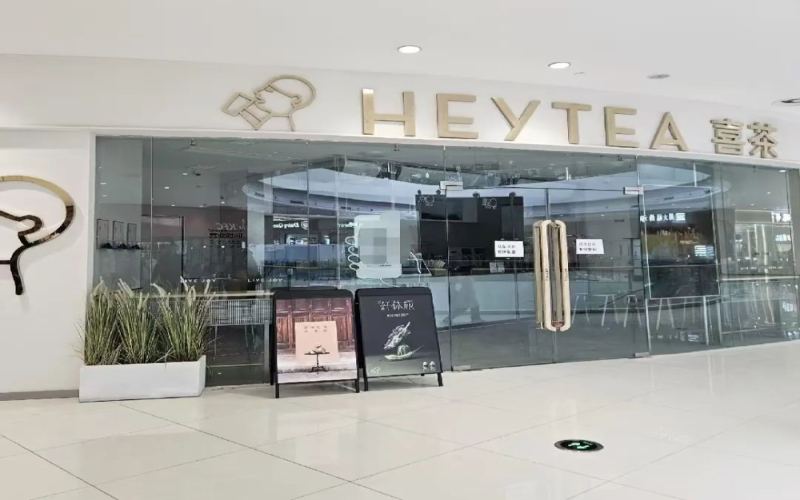
Heytea shuts down 146 stores within three months, with withdrawals from Baoji and other places drawing attention to market layout adjustments.
Recently, Heycha has seen store closures in many places across the country, drawing attention from consumers and the industry. Two stores in Baoji, Shaanxi, have suspended operations one after another, and stores in Shenzhen, Hangzhou, Qingdao and other places have also disappeared or reduced their scale. According to GeoHey brand monitoring data, in the past 90 days Heycha opened 12 new stores, but the number of closures reached 146, equivalent to nearly 2 stores disappearing from cities every day. After suspending franchise expansion, the brand intends to improve store product quality and selectively close stores with poor profitability, but the large number of closures is still surprising. As coffee enthusiasts, Front Street Coffee continues to follow the dynamic changes in the tea beverage and coffee markets, and this article sorts out cases from various places and industry interpretations of Heycha's current wave of store closures. [more…]

Luckin Coffee Quietly Raises Delivery Prices, Sparking Questions; Little Deer Tea Returns to the Store System in a New Form
After a long period of silence, Luckin Tea has recently returned to the public eye with a brand-new posture, but this time it did not appear as an independent brand. Instead, it has been reintegrated as a product line within Luckin Coffee stores. At the same time, without prior announcement, Luckin quietly raised the delivery drink prices at some stores by about 2 to 3 yuan, triggering widespread discussion among consumers on social platforms. The company responded that this move is a refined management measure based on differences in store operating costs, involving more than 800 stores in 11 cities. From an independent brand to a returning product series, from price adjustments to changes in operating strategy, what market considerations are revealed behind this series of moves by Luckin Coffee? [more…]

Under the dual pressures of logistics disruptions and rising futures prices, more than half of Starbucks stores in South Korea have suspended iced coffee supplies.
Affected by rising coffee futures prices and ongoing international logistics disruptions, Starbucks Korea has experienced a round of coffee bean supply fluctuations since the beginning of this year. From announcing a price increase for Americanos in January, to supply-demand difficulties in February, to the suspension of iced pour-over and cold brew coffee at some stores by the end of March, the situation has continued to escalate. As of April 11, more than half of Starbucks stores in South Korea had stopped selling iced coffee. Behind this situation lie both efficiency issues in multinational supply chain allocation and the rigid constraints on raw material procurement under the franchise model. Why can't Starbucks Korea procure coffee beans on its own? Why do espresso beans and iced coffee beans have different supply priorities? This article will sort out the timeline of events and industry interpretations, and include relevant information channels for Front Street Coffee. [more…]

Pacific Coffee faces another wave of store closures: all directly operated stores in Zhuhai will be withdrawn, and the number of domestic outlets in operation continues to shrink.
Pacific Coffee has once again become the focus of industry attention. Recently, reports have emerged that multiple stores in Zhuhai will close in mid-October due to business adjustments, including the Huafa Waterfront Store, Haitian Station Store, and City Balcony Store, all distinctive locations along the Couple's Road. After this round of adjustments, Pacific Coffee's directly operated stores in Zhuhai will all be withdrawn, leaving only three franchise stores. From a peak of nearly 500 stores to fewer than 100 today, the situation of this former second-largest coffee chain brand in China's coffee market is lamentable. This article will review the specific circumstances of these closures, the brand's contraction trajectory in recent years, and the complex emotions of coffee enthusiasts regarding Pacific Coffee's current situation. [more…]